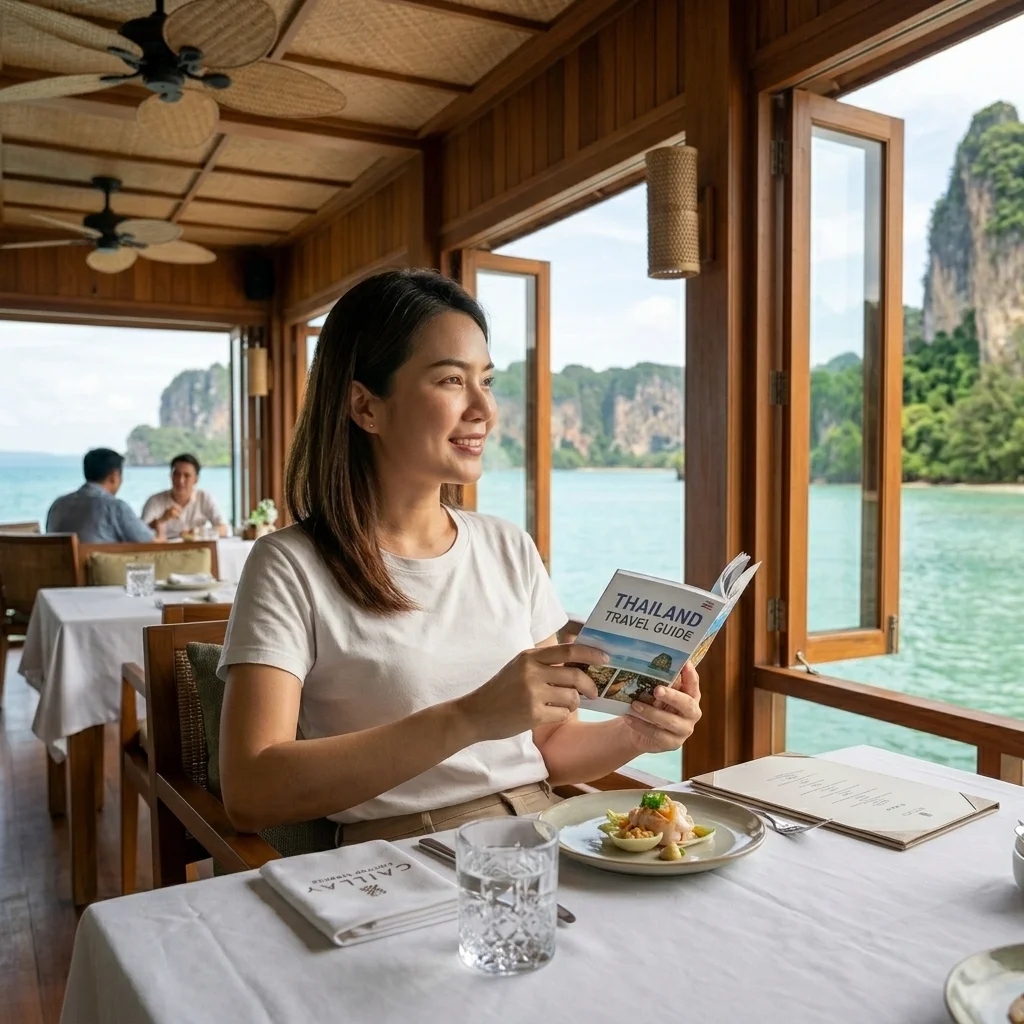
Thailand, the Land of Smiles and rich cultural heritage, is a dream destination for travelers worldwide. From stunning beaches and sacred temples to world-renowned cuisine, traveling smoothly and joyfully throughout Thailand is a shared aspiration for all. This article reveals worry-free Thailand travel tips designed to make every trip a memorable experience. Regardless of where your journey in Thailand takes you, here is how you can prepare effectively to ensure the absolute best experience possible.
1. Preparation Before Departure
-
Check Important Documents: Prepare your national ID card, passport (if applicable), driver’s license, and copies of essential documents. Store copies separately from originals so that in case of unforeseen circumstances, having duplicates will prove immensely helpful.
-
Plan Your Itinerary in Advance: Research routes and book accommodations, flight tickets, or bus tickets well ahead of time—especially during peak festival seasons or long holidays. Good planning helps secure competitive rates for stay and transit while avoiding heavy crowds.
-
Pack Personal Medications and Essentials: Bring necessary personal items and medications such as antipyretics, painkillers, antihistamines, and sun protection items like sunscreen, hats, and sunglasses. Additionally, pack insect repellent, as Thailand features a tropical climate with mosquitoes in certain areas.
-
Understand Local Culture and Etiquette: Learn local customs, traditions, and etiquette. This includes dressing politely when visiting temples, removing shoes before entering homes, greeting people with a Wai, and learning basic Thai phrases like Sawatdee (Hello), Khop Khun (Thank you), and Khor Thot (Excuse me/Sorry) to facilitate smooth communication and show respect toward local traditions.
2. During the Journey
-
Keep Your Belongings Secure: Ensure your luggage is securely locked and never leave bags unattended. Frequently verify your important belongings, especially travel documents and valuables.
-
Exercise Caution with Food and Drinks: Choose clean, hygienic eateries and drink bottled water meeting quality standards. Avoid ice from uncertain sources to prevent gastroenteritis or sudden illness.
-
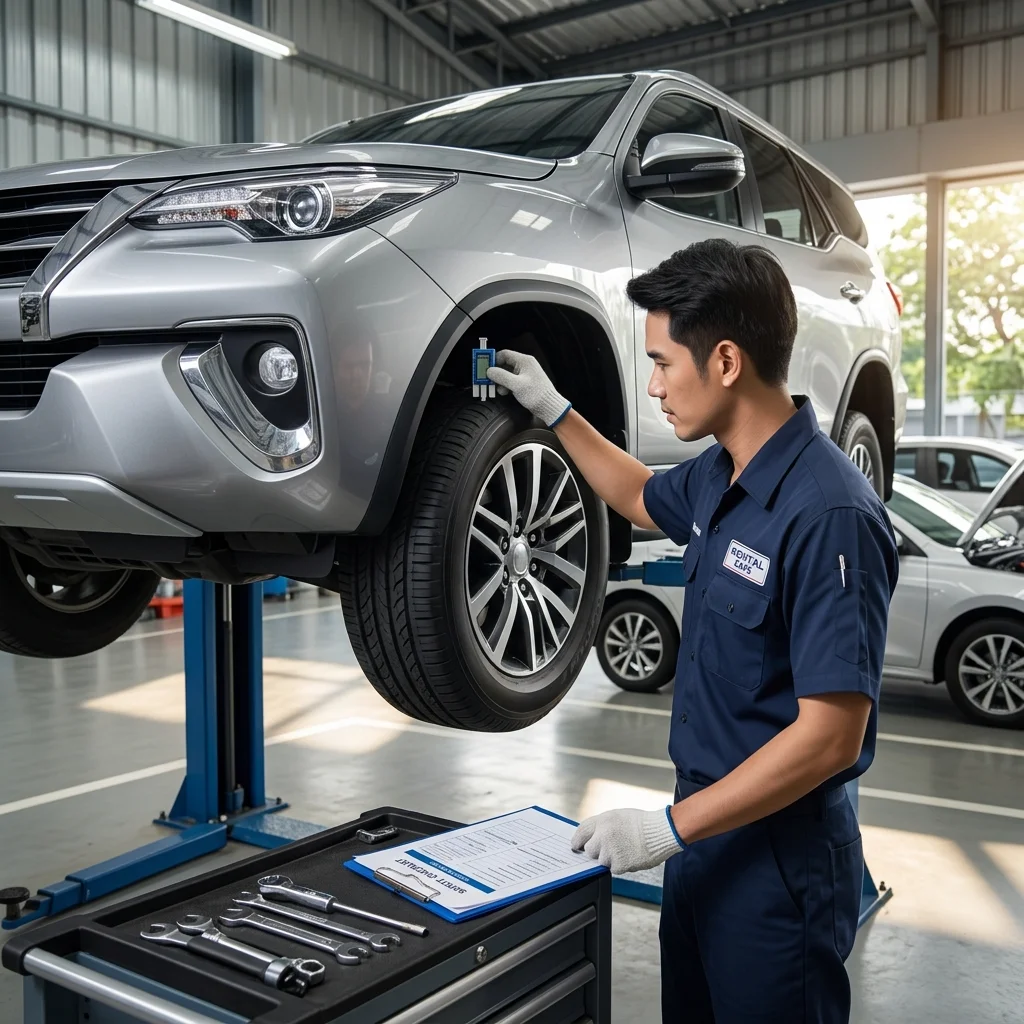
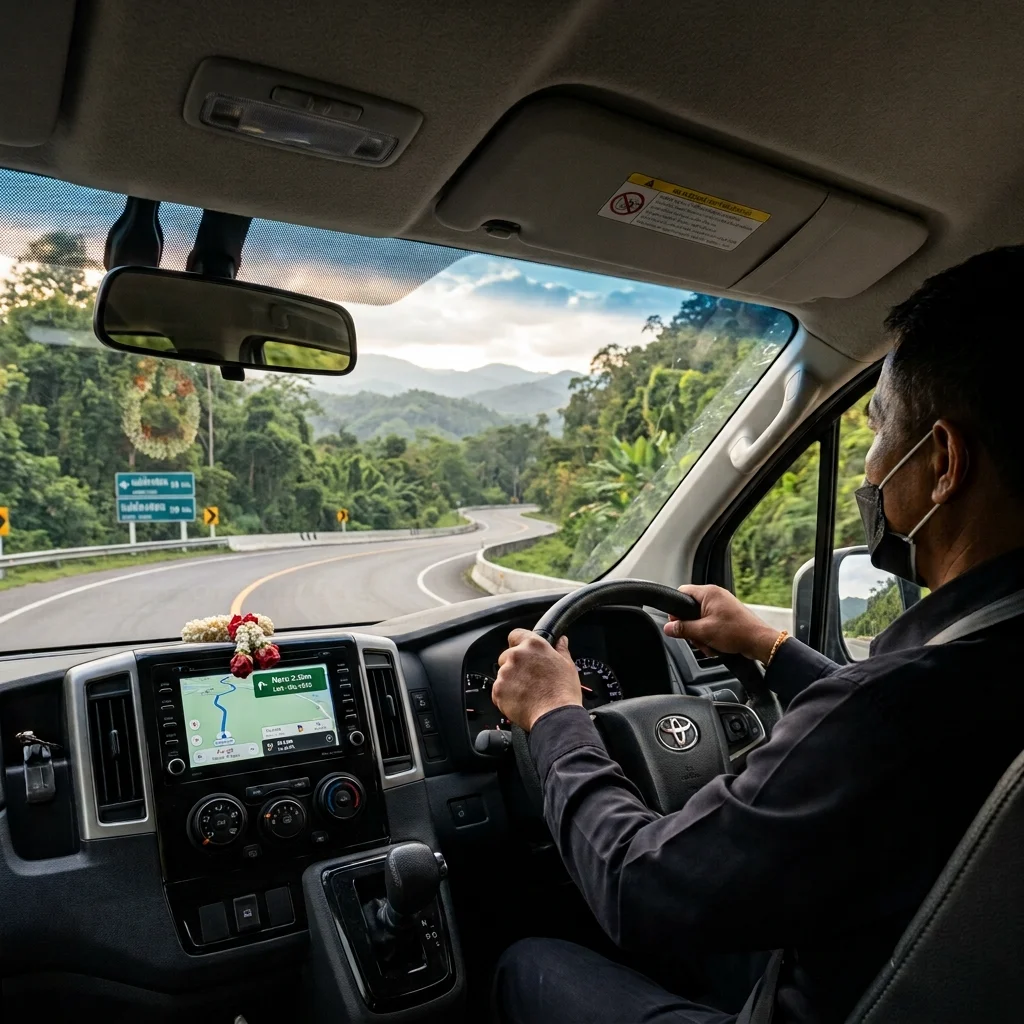
Prioritize Safe Transportation: Use authorized and reputable public transportation services, such as metered taxis, urban rail systems, or trusted bus operators. If renting a vehicle to drive, thoroughly inspect its condition prior to use and strictly obey traffic laws.
-
Embrace New Experiences: Open your mind to diverse local flavors, engage with locals, or participate in cultural activities to enrich your journey with unique, vibrant, and impressive memories.
3. Financial and Budget Management
-
Establish a Clear Budget: Outline expenses for transit, accommodations, dining, activities, and miscellaneous costs to maintain full financial control and avoid overspending.
-
Carry Backup Cash and Cards: Keep cash separated in different secure places, and carry reserve credit or debit cards for emergencies or when cash falls short.
-
Monitor Exchange Rates: International travelers should monitor foreign currency exchange rates and exchange money through authorized banks or licensed exchange booths to secure optimal rates and prevent scams.
-
Beware of Scams: Always confirm prices and service details clearly before purchasing goods or accepting services—particularly at street markets or when utilizing public transit—to avoid overcharging.
4. Handling Emergency Situations
-
Save Essential Emergency Contacts: Memorize or save critical emergency numbers, such as the Tourist Police / General Emergency (191), hospitals, your national embassy or consulate, and the Tourism Authority of Thailand (TAT) Call Center (1672).
-
Purchase Travel Insurance: Consider securing a comprehensive travel insurance policy covering medical treatments, accidents, illnesses, or lost baggage. Insurance mitigates financial burdens and provides peace of mind throughout your trip.
-
Share Your Itinerary with Trusted Contacts: Inform family or close friends about your travel plans, accommodation details, and contact numbers so they can reach you if an emergency arises.
-
Carry a Power Bank and Communication Devices: Ensure your mobile phone remains sufficiently charged and carry a portable power bank so you can communicate seamlessly no matter what happens.